
Introduction
There are many “theories” and diets that people promote for optimal health. Like many of you, I’ve experimented with a variety, Keto, intermittent fasting, carb-back loading, you name it. The problem? Most of these approaches are unsustainable, often restricting a major macronutrient, or relying on excessive calorie restrictions.
It wasn’t until about 2019 when things started to click. That’s when I discovered Christopher Walker’s work, an approach that was heavily influenced by Ray Peat. Their perspectives challenged just about everything I was told by doctors and health and fitness experts. They went against dogma, and introduced holistic ideas. What was important for me was that Christopher Walker took Ray Peat’s incredibly dense work and translated it into a more accessible, easy-to-understand approach for a wider audience.
My goal for this blog is to be able to share the aha moment I had, one that fundamentally changed the way I view nutrition, energy and overall well-being.

Rate of Living Theory
The ‘Rate of Living Theory’ was proposed by Max Rubner in 1908. His observations led him to believe that larger animals tend to outlive smaller ones because they have slower metabolic rates. The idea, in essence, is that life is like a candle burning at a fixed rate—you can burn it brightly and quickly, or dimly and slowly. Because of the ethical limits around experimenting on humans, this theory remains debated and difficult to definitively prove.1 In very simple terms, it’s believed that you have a finite amount of breaths. Put simply, the theory suggests that you have a finite number of breaths or heartbeats in a lifetime. The implication? The slower your metabolism, heart rate, and body temperature, the longer you might live. This might sound familiar if you remember learning about hibernation back in school.
According to Better Planet Education, hibernation is when an animal “slows its heart rate to save energy and survive the winter without eating much… During hibernation the animal’s body temperature drops, and its heartbeat and its breathing slow down so that it does not use much energy.”2 So, under the Rate of Living Theory, entering a state of hibernation—or at least mimicking aspects of it, could theoretically promote longevity.
But let’s be real: spending life in a near-frozen energy-saving mode doesn’t exactly scream “happy and vibrant living,” does it?
Metabolic Theory
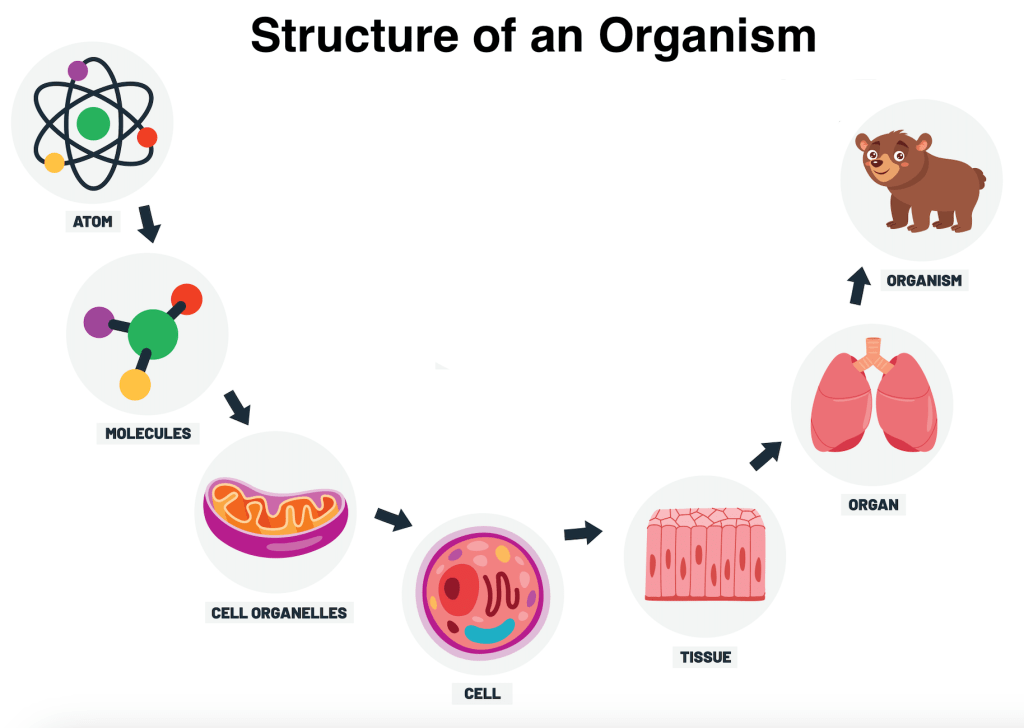
Enter the Metabolic Theory, which essentially flips the Rate of Living Theory on its head. Instead of slowing everything down, this theory supports increasing metabolism, body temperature, and heart rate, in a balanced and intentional way. At its core, the theory emphasizes supporting the body at the cellular level. If you’ve ever taken an anatomy and physiology course, you probably remember the body’s structural hierarchy: cells → tissues → organs → organ systems → you. This was a lightbulb moment for me. If you can nourish and strengthen your cells, that foundational support ripples upward—benefiting tissues, organs, and ultimately your entire body.
Yes, it’s a simplification. The human body is incredibly complex. But there’s something powerful about zooming in on the basics, starting at the cellular level to build a healthier whole.
Now, this theory isn’t saying to go out and jack up your heart rate without a second thought. It’s more about correcting a modern trend: many people today have slower metabolisms, whether due to stress, diet, environment, or even subscribing to the Rate of Living mindset. A modest increase in resting metabolic rate may actually be beneficial for most people.
Of course, as with all things, balance matters. You don’t want a metabolism that’s too high (which can lead to conditions like hyperthyroidism), nor too low (often associated with hypothyroidism). Metabolic Theory promotes a middle path that aims for an optimal metabolic state, supporting energy, resilience, and vitality.

Wrapping It All Up
So, which theory holds the key to better health and longevity, the Rate of Living Theory or the Metabolic Theory? Maybe both have something to offer. One encourages conservation, the other optimization. One says slow down, the other says fuel up. The key is understanding your body well enough to know when to rest and when to energize.
What’s clear is this: how your body functions at a cellular level matters. Learning how to support them is where real, lasting health begins. I came across a fascinating paper published in 2022 in Current Opinion in Physiology. It connects many chronic illnesses to mitochondrial function. The authors write: “Mitochondrial dysfunction has been increasingly recognized as a key player in the pathogenesis of a wide range of chronic diseases.”3
Sound familiar? I know you at least remember this from your anatomy and physiology class.
Pop quiz: What is the powerhouse of the cell?
🥕
References
- Ferrucci L, Schrack JA, Knuth ND, Simonsick EM. Aging and the energetic cost of life. J Am Geriatr Soc. 2012;60(9):1768-1769. doi:10.1111/j.1532-5415.2012.04102.x
- Better Planet Education. (2024). What is Hibernation? Betterplaneteducation.org.uk. https://betterplaneteducation.org.uk/factsheets/hibernation-what-is-hibernation
- Phillips M. C. (2022). Metabolic Strategies in Healthcare: A New Era. Aging and disease, 13(3), 655–672. https://doi.org/10.14336/AD.2021.1018
 The Daily Carrot
Leave a comment